
Quick Summary
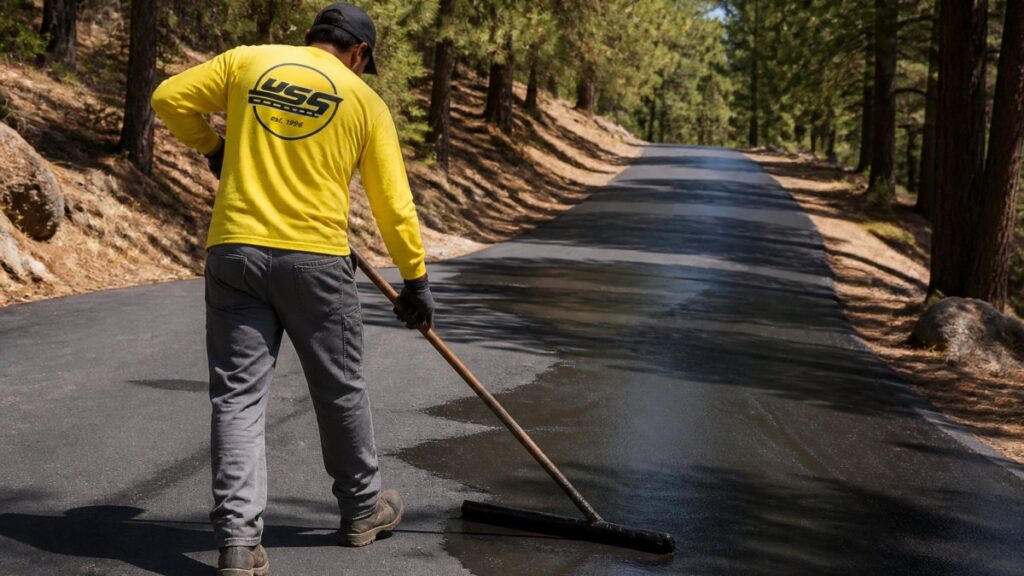
Sealcoating private roads is worth the cost for most shared roads because it blocks water, slows sun damage and stops small cracks from becoming potholes. Preventive sealing is cheaper than the milling and overlay work that failed pavement later requires.
- A sealcoat blocks water from soaking into the asphalt base, which keeps the base from softening.
- UV protection slows asphalt oxidation, which keeps the surface from turning gray and brittle.
- Sealing hairline cracks early keeps minor repairs from growing into structural failures.
- Regular sealcoating delays costly milling and overlay projects and spreads costs predictably across residents.
- Have a pavement inspection so the board sets a sealcoating schedule based on actual road conditions.
Table of Contents
- Why Private Roads Need Sealcoating More Than Public Streets
- 8 Benefits of Sealcoating Private Roads
- Protection From Water Penetration and Moisture
- UV Protection and Slowed Oxidation
- Resistance to Freeze-Thaw Cycles in Utah and Nevada Weather
- Longer Pavement Life and Lower Repair Costs
- Sealing Small Cracks Before They Spread
- Protection From Oil, Fuel, and Chemical Spills
- Curb Appeal and Property Value for Shared Roads
- Lower Long-Term Costs for Residents Sharing the Bill
- How Often to Sealcoat Asphalt on a Private Road
- Best Time of Year to Sealcoat Asphalt Roads
- Asphalt Sealcoating Curing Time After Application and Traffic Management
- When Sealcoating Is Not Enough and Scheduling Your HOA Project
- Frequently Asked Questions
Sealcoating private roads is one of the few maintenance decisions that protects the whole community’s asset at once. The question we hear most from HOA boards is simple: is it worth the money? The short answer is yes for most private roads, though the reasons differ from those that apply to a public street.
A public road is maintained by a city or county with a dedicated budget. A private road is maintained by the people who live on it, which means the work tends to get delayed until a crack becomes a pothole. That gap between need and action is where most of the damage happens.
Why Private Roads Need Sealcoating More Than Public Streets
Private roads often carry lighter traffic than arterial streets, but they receive less routine care. Sealcoating is a preventive layer that slows the wear that comes from sun, water, and everyday use. Waiting until the surface is visibly failing usually means paying for a larger repair.
Shared roads also bring shared responsibility. When one property owner delays, everyone pays more later.
8 Benefits of Sealcoating Private Roads
Each benefit below matters for a different reason, but they reinforce one another.
Protection From Water Penetration and Moisture
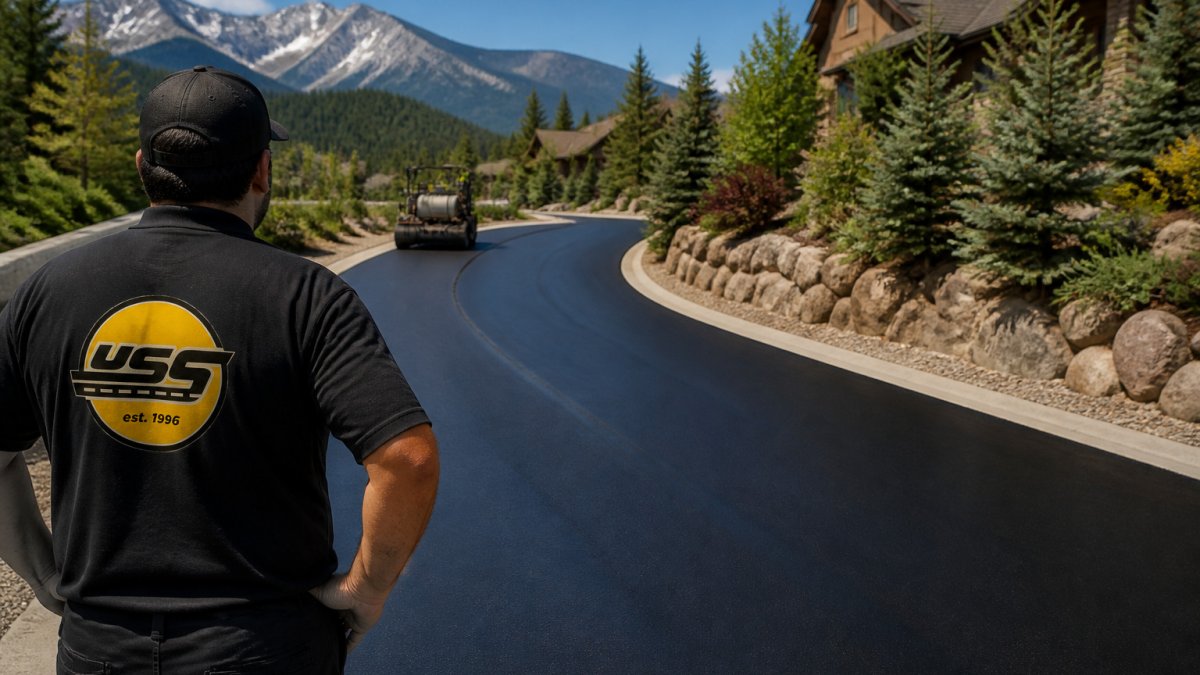
A sealcoat layer creates a barrier that keeps water from soaking into the asphalt base. Learn more about what our sealcoating service includes. Water that gets underneath is what softens the base and causes potholes. Keeping the surface sealed makes the most of the base you already have.
UV Protection and Slowed Oxidation
Sun exposure dries out asphalt binder over time, turning the surface gray and brittle. A sealcoat shields the binder from direct UV exposure.
Resistance to Freeze-Thaw Cycles in Utah and Nevada Weather
Water that freezes inside cracks expands and widens them. Each freeze-thaw cycle does a little more damage. A well-maintained seal reduces how much water gets into those cracks in the first place, which means fewer cycles of damage.
Longer Pavement Life and Lower Repair Costs
Roads that get regular sealcoating tend to last longer before they need major work. Read what happens if you skip sealcoating to compare the long-term outcomes. Milling and overlay projects cost far more than sealcoating, so extending the time between them is one of the strongest financial arguments for preventive care.
Sealing Small Cracks Before They Spread
Hairline cracks are the easiest problems to fix and the easiest to ignore. See whether we offer crack sealing for your road. Left alone, they grow into alligator cracking and eventually potholes. Sealing them early keeps a minor repair from becoming a structural one.
Protection From Oil, Fuel, and Chemical Spills
Oil and fuel soften asphalt and make it easier to damage. A sealcoat gives spills a surface to sit on rather than soak into, which makes cleanup easier and limits the damage they cause.
Curb Appeal and Property Value for Shared Roads
A dark, uniform road surface makes a neighborhood look cared for. Visitors, prospective buyers, and appraisers notice pavement condition. For shared roads, a fresh seal signals that the community manages its shared assets well.
Lower Long-Term Costs for Residents Sharing the Bill
When costs are split among residents, deferred maintenance often becomes a larger special assessment later. Regular sealcoating spreads smaller, predictable costs over time, which tends to be easier for households to plan around. Budgeting this way also avoids the sudden expense of a major rebuild.
The eight benefits covered above, with the protection each one offers.
| Benefit | What it protects against | Why it matters |
|---|---|---|
| Water penetration protection | Water soaking into the base | Keeps the base from softening and causing potholes |
| UV protection | Sun-driven oxidation | Slows the surface turning gray and brittle |
| Freeze-thaw resistance | Cracks widening as water freezes | Reduces water entering cracks in the first place |
| Longer pavement life | Early need for major work | Delays costly milling and overlay projects |
| Sealing small cracks | Cracks growing into potholes | Keeps minor repairs from becoming structural |
| Oil and fuel protection | Asphalt softening from spills | Makes spills easier to clean up |
| Curb appeal and value | Visible neglect of shared roads | Signals the community manages its assets well |
| Predictable costs | Large special assessments later | Spreads smaller costs over time |
How Often to Sealcoat Asphalt on a Private Road
The right sealcoating interval depends on traffic, climate, and how the surface has held up. Roads with heavy use or significant sun exposure may need more frequent attention. Explore practical ways to extend asphalt parking lot life between treatments. A pavement inspection can help the board set a schedule based on actual conditions rather than a calendar guess.
Best Time of Year to Sealcoat Asphalt Roads
Sealcoating works best when temperatures are mild and dry, so the surface can cure properly before cold weather arrives.
Asphalt Sealcoating Curing Time After Application and Traffic Management
After application, the surface needs time to cure before vehicles drive on it heavily. Curing time depends on temperature, humidity, and the product used, so your contractor should confirm the timeline for your project. Plan traffic management in advance: post notices, coordinate access for residents, and identify alternate parking. Clear communication keeps the project moving and reduces complaints.
When Sealcoating Is Not Enough and Scheduling Your HOA Project
Sealcoating protects a sound surface. It does not fix a failed base, deep structural cracking, or large areas of breakup. If the pavement has already deteriorated that far, repair work should come first, and sealcoating follows once the surface is sound.
For HOA boards, the practical next step is to schedule an inspection early enough to build the project into your budget and your residents’ calendar. Contact Utah Sealcoat & Striping for a free quote. Our team works around your schedule, and all of our services come with a warranty.
Frequently Asked Questions
What are the benefits of sealcoating?
Sealcoating adds a protective layer that shields asphalt from water penetration, UV exposure, oil and chemical spills, and daily traffic wear. On private roads, this translates into slower surface deterioration, fewer small cracks left unaddressed, and a longer service life before major repairs. Property managers and HOA boards also benefit from a cleaner, more uniform appearance that supports curb appeal. Scheduling sealcoating as preventative maintenance is typically far less expensive than waiting for base damage to require full replacement.
How long does sealcoating take to cure before traffic can use the road?
Curing time depends on temperature, humidity, and the product applied, so the exact window varies by project. In general, the surface needs enough time to harden before vehicles drive on it, and most contractors recommend keeping traffic off the area until the sealer has set. Residents and property managers should plan access around this period, ask the contractor for the expected timeline before work begins, and coordinate with the crew about barricades and alternate parking.
What are the downsides of seal coating a driveway?
Sealcoating is not a repair. It will not fix structural failure, deep potholes, or widespread base damage, and applying it over a badly cracked surface can hide problems that need attention first. The surface also needs a dry period before and after application, and traffic must stay off the area while it cures. Sealcoating also needs to be repeated on a schedule, so budgeting for future applications is part of the decision.
Does sealcoating repair cracks or potholes?
Sealcoating can help seal small surface cracks and slow their spread, but it does not repair potholes, alligator cracking, or structural damage. Larger cracks should be filled before sealcoating, and potholes need patching so the sealer has a stable surface to bond to. Ask your contractor to inspect the pavement first so you know which repairs should come before the sealcoat is applied.

